World
MOBY in Georgia 2026
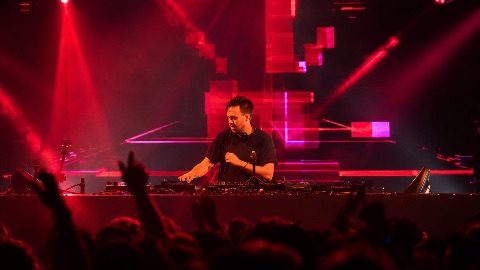
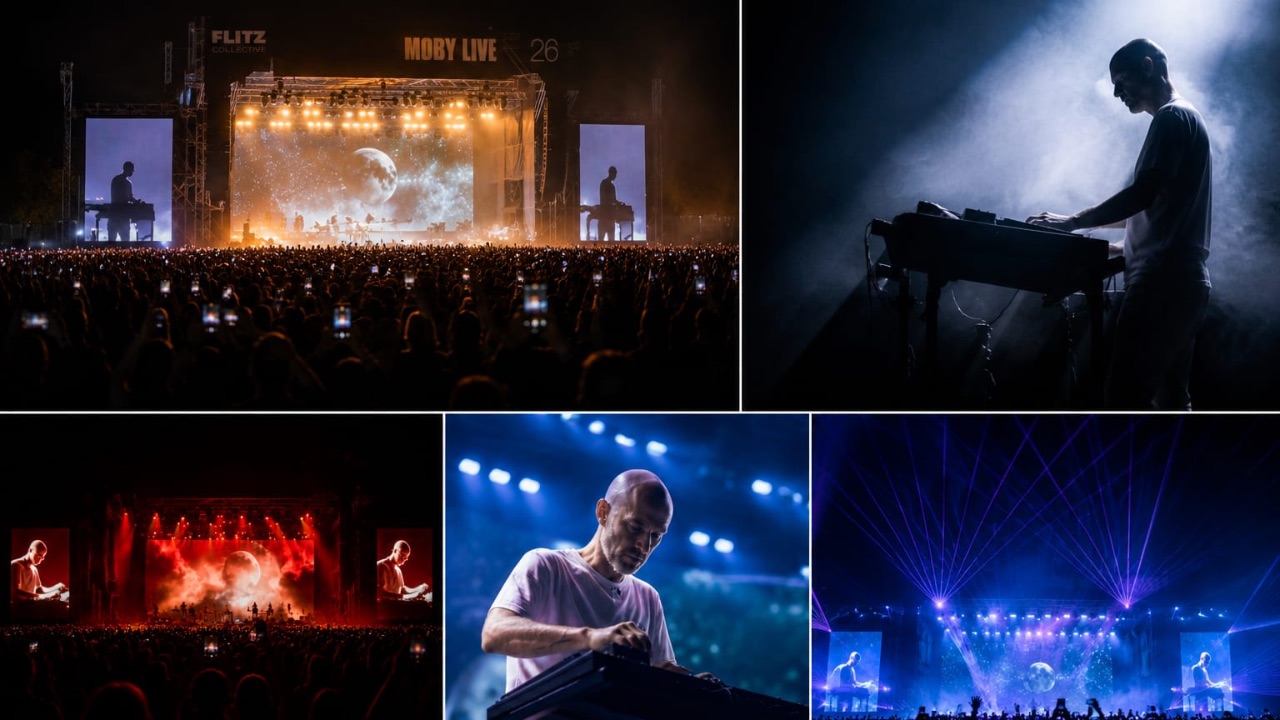
Presented by Flitz Collective and Studio Liberty, Moby Live 26 in Georgia was one of the country’s biggest international electronic music events of the year. Doors opened at 18:00, with Georgian acts SEVDA and Circus Mircus appearing before Moby took to the stage. The concert formed part of Moby’s extensive 2026 live tour across Europe and beyond. For many people searching for “Moby Tbilisi 2026,” the location may have caused a little confusion. The show was promoted internationally as a Tbilisi concert, but the performance actually took place at Rustavi International Motorpark, approximately 20 kilometres from the Georgian capital. The open-air racing venue provided a suitably large and unusual setting for an artist whose music has moved between underground clubs, enormous festivals and global arenas. The concert was also reported as Moby’s first live performance in Georgia, making it a significant moment for the country’s growing electronic music culture.
Before "Play" Moby Was a Rave Artist
To millions of listeners, Moby is best known for the atmospheric electronic blues of his 1999 album "Play". Tracks such as “Porcelain,” “Natural Blues,” “Why Does My Heart Feel So Bad?” and “Honey” helped turn him into one of the most recognisable electronic artists in the world. However, Moby’s history reaches much further back into underground dance music. Long before Play appeared in television programmes, films and advertisements, Moby was part of the emerging American rave and techno scene of the early 1990s. He worked as a DJ, made records for New York dance label Instinct and performed electronic music at a time when rave culture was still unfamiliar to much of mainstream America. In a 1993 profile, The Washington Post described him as one of the most recognisable figures in the rapidly expanding techno and rave movement. His early career placed him alongside the generation of producers who were turning house, techno, breakbeats and sampled fragments of popular culture into a new form of high-energy electronic music. That history matters when discussing Moby in Georgia in 2026. This was not simply the visit of a famous alternative pop artist. It was the arrival of someone whose records had been played in rave clubs for more than 30 years.
“Go”: The Track That Introduced Moby to the Rave Generation
Released in its breakthrough form in 1991, “Go” was the track that transformed Moby from an underground New York producer into an internationally recognised electronic artist. The record famously incorporated elements inspired by Angelo Badalamenti’s haunting theme for David Lynch’s television series Twin Peaks. Moby placed that dreamlike melody over a driving electronic rhythm, creating something that felt mysterious, emotional and completely at home in the rave era. “Go” entered the UK chart in July 1991 and became Moby’s first major crossover success. Resident Advisor describes it as the track that took him into the UK Top 10, while it remains one of the defining recordings associated with his early career. More than three decades later, “Go” still works because it contains many of the qualities that run throughout Moby’s music: repetition, melancholy, urgency and release. It can be understood as a rave track, but it also has the emotional atmosphere of a film score. That combination would later become central to Moby’s worldwide success.
“Next Is the E”: Moby at His Most Unmistakably Rave
In 1992, Moby released “Next Is the E,” another fast, euphoric track rooted firmly in early-1990s rave culture. The title was considered controversial enough to be changed for the UK market, where the same track was released as “I Feel It.” Moby’s official discography confirms that the two titles refer to the same song and lists its original release date as October 1992. Musically, “Next Is the E” represents a very different side of Moby from the restrained piano and gospel samples that many casual listeners associate with him. It is energetic, direct and designed around the physical momentum of the dance floor. The track belongs to an era when the boundaries between techno, house, hardcore and rave were often far less rigid than they later became. Records were built to create an immediate reaction in clubs, warehouses and large-scale rave spaces. Its inclusion in Moby’s modern live repertoire gives newer audiences a connection to that earlier period. The official Moby Live 26 tour playlist includes “Go,” “Next Is the E” and “Feeling So Real,” demonstrating that his rave material remains an important part of his current shows rather than a forgotten chapter of his catalogue.
“Feeling So Real”: Gospel Energy at Rave Speed
Released in 1994, “Feeling So Real” pushed Moby’s rave sound toward an even more intense and uplifting form. Featuring vocals from Rozz Morehead, the track combined rapid electronic rhythms with the emotional force of gospel-influenced singing. It was euphoric without losing its sense of urgency—a record capable of feeling joyous, frantic and spiritual at the same time. “Feeling So Real” entered the UK chart in October 1994 and later appeared on Moby’s 1995 album Everything Is Wrong. The song also demonstrates that the contrast between electronic machinery and deeply human voices did not suddenly begin with Play. Moby was already exploring that relationship during his rave years. A recent review of his 2026 Brighton performance described “Feeling So Real” as a moment of closing euphoria, while also noting the continued presence of “Go” and “Next Is the E” in the show. Those early tracks remain among the most explosive parts of Moby’s live performances.
From Underground Raves to Global Success
Moby’s career did not follow a simple upward path. After becoming known for rave and techno, he moved through ambient music, punk, alternative rock and increasingly experimental territory. Some of those changes confused audiences and damaged his commercial momentum. By the late 1990s, his career appeared to have slowed considerably. Then came Play. Released in 1999, the album combined electronic production with blues, gospel and folk vocal recordings. Its success introduced Moby to an audience far beyond rave culture. “Porcelain,” “Natural Blues,” “Bodyrock” and “Why Does My Heart Feel So Bad?” became internationally recognised tracks, while Moby became one of the most visible electronic musicians of his generation. Later releases produced further major songs, including “We Are All Made of Stars,” “Extreme Ways” and “Lift Me Up.” Yet even at the height of his crossover fame, the DNA of his early work remained audible. The same fascination with repetition, simple melodic ideas and emotional vocal performances connects “Feeling So Real” to “Natural Blues,” despite the enormous difference in tempo and production.
Why Moby’s Georgia Concert Mattered
International electronic artists are appearing in Georgia with increasing regularity, but a Moby concert carries a particular historical weight. His career connects several generations of electronic music listeners. Some discovered him through early rave records such as “Go.” Others first heard him through Play, the Bourne film series or later electronic and alternative releases. Younger audiences have encountered his music through streaming platforms, social media and television soundtracks. Bringing those audiences together at Rustavi International Motorpark gave the event a broader significance than a standard nostalgia concert. It also reflected Georgia’s increasingly visible position within international electronic music. Tbilisi is already known for its club culture, independent promoters and dedicated local scene. Large concerts such as Moby Live in Georgia 2026 introduce another dimension: internationally recognised electronic artists performing alongside Georgian musicians in major outdoor locations.
A Living Connection to Rave History
Moby’s appearance in Georgia was a reminder that electronic music has a living history. “Go,” “Next Is the E” and “Feeling So Real” are not museum pieces. They remain physical, emotional dance records that continue to work in front of modern audiences. Moby may have moved through ambient music, punk, pop, orchestral arrangements and cinematic electronica, but the energy of the early rave scene has never completely disappeared from his performances. On July 30, 2026, that history finally reached a Georgian stage. For longtime ravers, the concert offered an opportunity to hear tracks connected to the formative years of electronic dance music. For younger listeners, it provided a direct encounter with an artist whose career stretches from New York’s underground clubs to some of the largest stages in the world. And for Georgia’s electronic music community, Moby’s first appearance in the country represented another landmark moment in a scene that continues to expand, experiment and attract international attention.